We study how crops sense, respond to, and resist insect attack, and how these natural defenses can be turned into sustainable pest management strategies for modern agriculture.
Insect pests remain a major threat to global food production. Climate change, intensive farming, and long-term reliance on chemical insecticides are accelerating insect adaptation, putting crop yields and food security at risk. Harnessing plant-mediated resistance offers a durable and environmentally sound way forward.
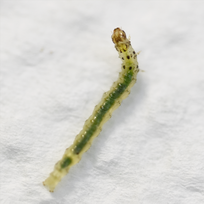
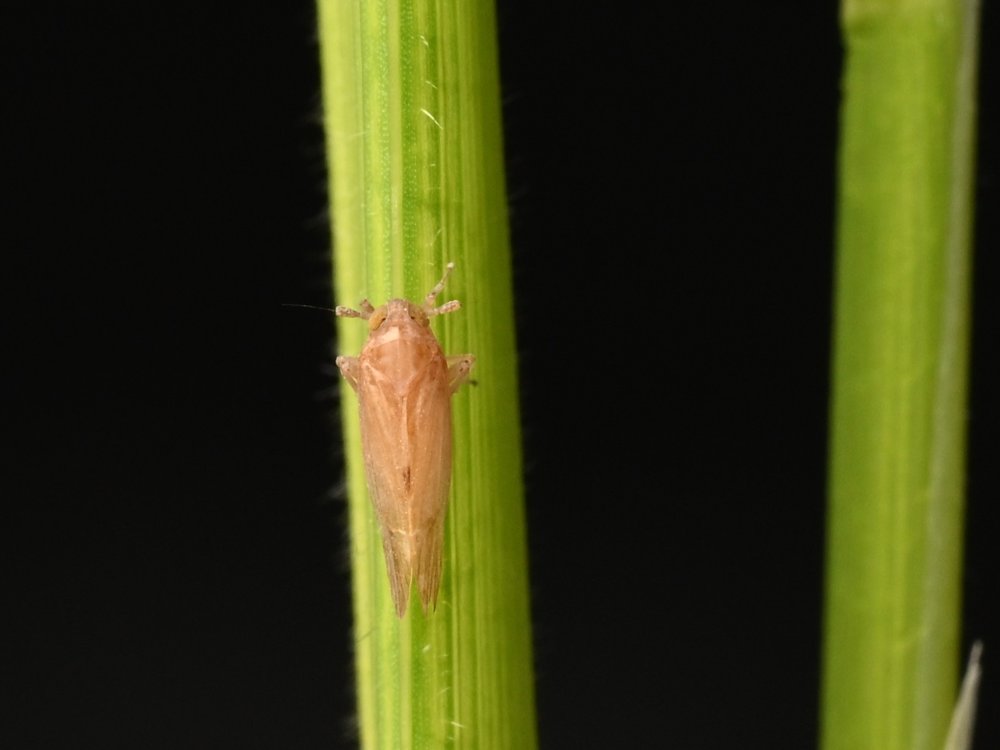
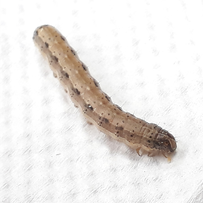
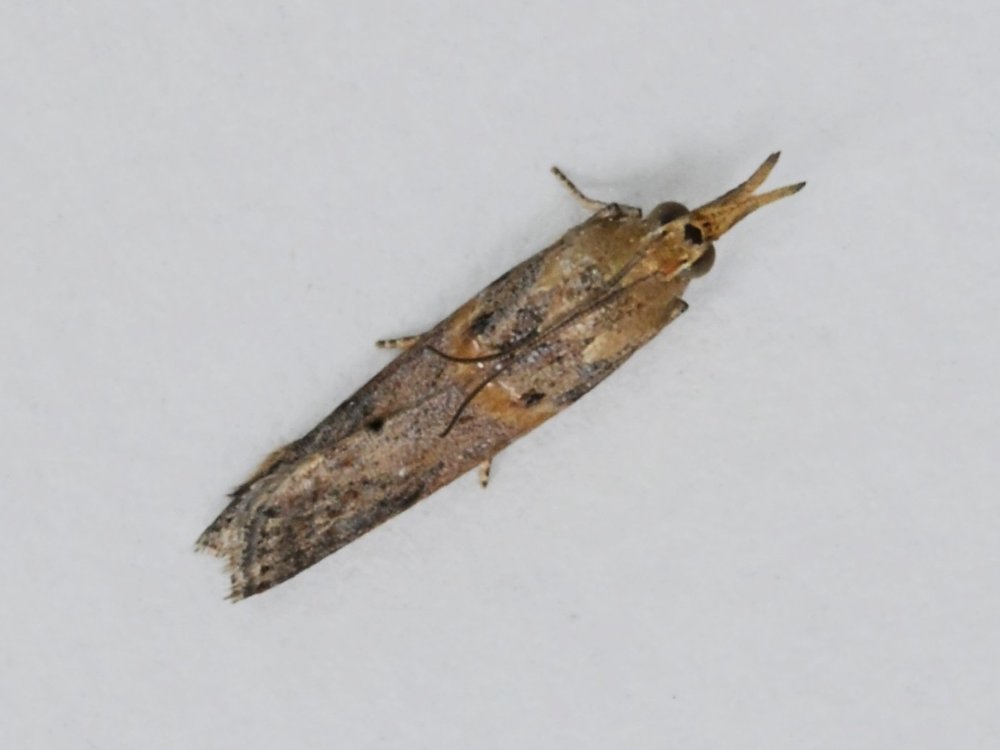
Working with rice, maize, and legumes and their key pests, including the brown planthopper, fall armyworm, rice leaf folder, and lucerne seed web moth, we investigate plant–insect interactions across molecular, physiological, ecological, and evolutionary scales, bridging fundamental biology and applied pest management.
Research Interests
Mechanisms of Host-Plant Resistance
Dissecting resistance traits such as antixenosis (non-preference) and antibiosis, and their effects on insect behavior, development, and survival.
Plant–Insect Interactions
How insect feeding reshapes plant physiology, metabolism, and gene expression, and how plant signaling networks coordinate these responses.
Resistance to Major Agricultural Pests
Evaluating resistant germplasm against key pests such as the brown planthopper in rice and the fall armyworm in maize, in the lab and in the field.
Integrated Pest Management and Sustainable Agriculture
Combining host-plant resistance with ecological and agronomic practices to reduce pesticide use and build resilient agroecosystems.
Study Systems
We focus on major insect pests of rice, maize, and legumes.
Our Vision
By elucidating the mechanisms underlying crop resistance to insect pests, we aim to advance fundamental knowledge of plant defense biology while contributing practical insights for crop improvement and sustainable pest management.